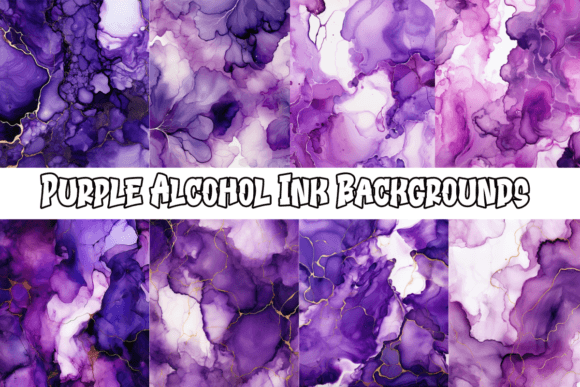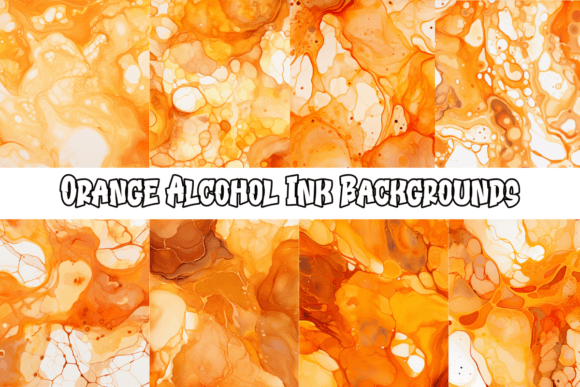
The Allure of Black Alcohol Ink Backgrounds in Modern Design
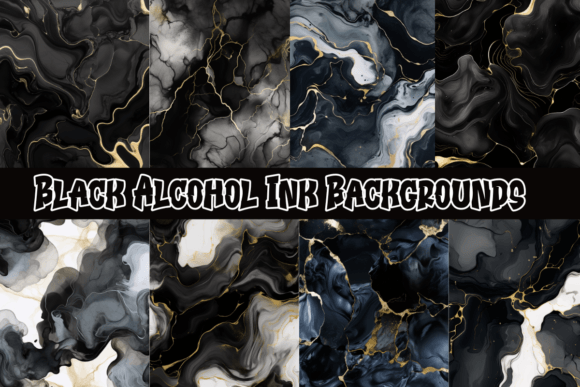
There's a certain magnetism to a deep, rich black. It's not merely the absence of color, but a canvas of infinite potential. When that black is rendered through the fluid, organic medium of alcohol ink, it transforms into something truly special—alive with subtle movement, depth, and a touch of controlled chaos. This is the essence of our Black Alcohol Ink Backgrounds collection. These aren't static, flat backgrounds. They are digital artifacts that carry the soul of a handcrafted art form, offering designers and creators a powerful tool for adding sophistication, mystery, and tangible texture to their work.
Understanding the Visual Language of Alcohol Ink
What exactly makes these backgrounds so compelling? It starts with the inherent nature of alcohol ink. Unlike digital gradients or patterns that can feel overly perfect, these backgrounds exhibit a beautiful, unpredictable character. You'll find deep, velvety blacks that feel almost infinite in their depth. Interacting with these are subtle veins of charcoal, hints of iridescent shimmer that catch the light like mica flakes, and delicate, web-like patterns where inks have repelled each other, creating organic networks of lighter tones. The result is a surface that feels both luxurious and raw, modern yet timeless.
This visual personality makes Black Alcohol Ink Backgrounds incredibly versatile. They are not loud or demanding; instead, they provide a rich, stable foundation that allows foreground elements—be it typography, product photography, or illustrations—to truly sing. The texture adds a layer of perceived quality and craftsmanship, making any project feel more considered and premium. Think of it as the digital equivalent of using high-quality, textured paper for a printed piece. It elevates everything placed upon it.
Practical Applications: Where This Collection Excels
The true value of any design asset is in its application. These backgrounds are far more than just pretty pictures; they are functional tools for solving real visual communication challenges.
Branding and Logo Design
For brands aiming for a luxurious, sophisticated, or enigmatic identity, these backgrounds are a perfect fit. Use them as the backdrop for a logo design to instantly convey depth and quality. They work exceptionally well for industries like high-end cosmetics, boutique hotels, luxury spirits, artisanal products, and professional services like law firms or financial consultants where trust and substance are paramount. The black ink texture communicates seriousness without being cold, and creativity without being frivolous.
Editorial and Publishing Design
In editorial design, texture is a storyteller. These backgrounds can set the mood for a magazine feature, a book cover, or a digital report. Imagine a feature on contemporary art or a mystery novel—this background immediately establishes the right tone. For publishers, it's a way to create visually striking chapter openers, pull quotes, or section dividers that break the monotony of plain white pages, both in print design and digital layouts.
Digital and Web Design
On screen, texture can combat the sterility of digital environments. A Black Alcohol Ink Background can serve as a hero section background for a website, adding instant visual interest and depth. It’s particularly effective for landing pages, portfolio sites, or any web design project where you want to make a strong first impression. In social media graphics, these backgrounds help posts stand out in a crowded feed, providing a consistent and professional look for announcements, quotes, or product showcases.
Packaging and Product Design
Packaging design is all about shelf appeal and tactile experience. While digital files can't convey physical touch, they can mimic it brilliantly. Using these backgrounds on product labels, boxes, or shopping bags for a brand communicates that the product inside is crafted with care. It suggests a premium experience before the customer even opens the package.
Integrating Texture into Your Design Workflow
Adopting a new design asset like this requires some practical consideration. Here’s how to think about integrating these backgrounds effectively.
First, consider font pairing. The strong, textured nature of these backgrounds calls for typography that can hold its own. Clean, bold sans serif font families often work beautifully, creating a modern contrast between the organic texture and the geometric letterforms. A sturdy serif font can also complement the background's sophistication, especially for more traditional or editorial applications. The key is to ensure your text has sufficient contrast and isn't lost in the ink's subtle details. Always test your type at the intended size.
Next, evaluate the project's overall brand identity. Does the mysterious, artistic, and premium quality of the alcohol ink align with the brand's voice? It would be a stunning choice for a luxury candle brand but might be less appropriate for a children's toy company. Context is everything. Use these backgrounds to reinforce a specific brand perception, not to fight against it.
Finally, think about consistency and visual hierarchy. Because the collection offers a spectrum of black hues and patterns, you can use different variations from the same family across a project—such as a website, business cards, and social media—to maintain a cohesive look while avoiding monotony. The texture naturally creates a strong foundation, allowing you to build a clear hierarchy with your typography and other graphic elements on top.
Making the Most of Your Investment
When you choose a premium font or asset collection, you're investing in quality and versatility. This collection of backgrounds is no different. To get the most out of it:
- Experiment with Blending Modes: Don't just place the background as a static layer. In your design software, experiment with blending modes like Multiply, Overlay, or Soft Light to see how the texture interacts with other colors and elements in your composition.
- Crop and Focus: The beauty is in the details. Sometimes, a tight crop on a particularly interesting section of the ink pattern can yield a more powerful and focused background than using the entire image.
- Consider Color Adjustments: While the collection is centered on black, subtle adjustments to the hue or saturation can integrate the background even more seamlessly into a specific color palette.
Ultimately, the goal is to enhance, not overwhelm. These Black Alcohol Ink Backgrounds