Red Brick Tile Backgrounds: Rustic Charm for Modern Projects
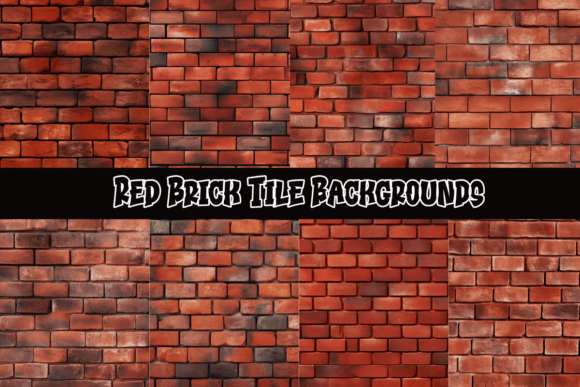
There's a reason red brick never goes out of style. It carries history, warmth, and an honest texture that synthetic materials struggle to replicate. When you bring that quality into your digital or print work through Red Brick Tile Backgrounds, you're not just adding a surface—you're introducing a narrative. These backgrounds capture the weathered imperfections, the subtle color variations from burnt sienna to deep terracotta, and the tactile feel of aged mortar lines. They offer a foundation that feels grounded and authentic, perfect for projects that need to convey stability, craftsmanship, or timeless appeal.
Understanding the Visual Character
What makes these backgrounds stand out is their ability to balance realism with versatility. Each tile in the collection showcases natural variations—some bricks display soft erosion, others have faint whitewash remnants, and the grout lines range from crisp to slightly crumbled. This isn't a sterile, repeating pattern; it's a dynamic surface that mimics how real brick walls age over decades. The color palette stays true to classic red brick, but you'll find subtle shifts in tone that prevent the background from feeling flat or artificial. This organic quality makes Red Brick Tile Backgrounds particularly effective for creating depth without overwhelming your primary content.
The personality of these backgrounds leans toward the rustic and industrial, but don't mistake that for being limited. A well-chosen brick texture can complement modern typography just as effectively as it supports vintage design. Think of it as a bridge between eras—a single element that can make a contemporary logo feel more approachable or give a minimalist layout unexpected warmth. The key is understanding that the background does heavy lifting in setting mood, so pair it intentionally with your other design assets.
Practical Applications Across Industries
For graphic designers, these backgrounds solve a common problem: finding textures that don't look like clip art. Use them behind hero images on websites, as layered elements in social media graphics, or as full-bleed surfaces for event posters. The consistency of the tile pattern ensures seamless repetition, which matters when you're working with large formats or responsive layouts. Interior decorators might incorporate these into mood boards or client presentations to visualize brick accent walls, while bloggers and content creators can use them as subtle framing devices for quote graphics or product photos.
In branding and packaging design, Red Brick Tile Backgrounds add tactile credibility. Imagine a craft brewery using a brick texture on bottle labels or a bakery incorporating it into their menu design—it instantly communicates artisanal quality without a single word. For small business owners, these backgrounds offer an affordable way to elevate marketing materials. A coffee shop's Instagram story, a freelancer's portfolio header, or a local contractor's business card can all benefit from the texture's inherent trustworthiness. The backgrounds work particularly well in editorial design too, where they can serve as chapter openers in books or section dividers in magazines, adding visual interest without distracting from text.
Pairing and Technical Considerations
Choosing the right typeface to pair with Red Brick Tile Backgrounds requires attention to contrast and hierarchy. Since the background already has strong visual texture, your primary font should offer clarity. A clean sans serif font for body text ensures readability, while a bold display font or even a subtle script font for headlines can create interesting tension against the rough brick surface. Avoid pairing with highly detailed handwritten fonts or overly ornate serif fonts unless you're intentionally going for a maximalist aesthetic—too much complexity can make layouts feel cluttered.
Test your combinations at actual size before committing. What looks balanced on a large monitor might become muddy when viewed on a mobile screen or printed at small dimensions. Pay special attention to color contrast: light-colored text generally pops against darker brick tones, but you might need to add a subtle overlay or shadow if your design uses mid-tone typography. For web design, consider file optimization—these backgrounds can be large, so compress them without losing the texture's integrity. Most collections include variations in resolution, so choose based on your final output: higher DPI for print, optimized versions for digital.
Licensing and Long-Term Use
Before incorporating any premium font or design asset into commercial work, verify the licensing terms. Most reputable collections offer clear guidelines for personal versus commercial use, and many allow unlimited projects under a single license. This matters especially if you're building a brand identity that will use the background across multiple touchpoints—packaging, signage, social media, and print ads. Keep your license documentation organized, and if you're working with clients, ensure they understand any usage restrictions.
Red Brick Tile Backgrounds represent more than just a design trend. They tap into a universal appreciation for materials that tell stories. Whether you're designing a restaurant menu, creating a podcast cover, or building a website for a construction company, these textures provide a reliable foundation that connects with audiences on a visceral level. The best part? They require no explanation. People recognize brick. They understand its connotations of strength, community, and endurance. By using these backgrounds thoughtfully, you're leveraging centuries of architectural history to make your contemporary work feel instantly more substantial.