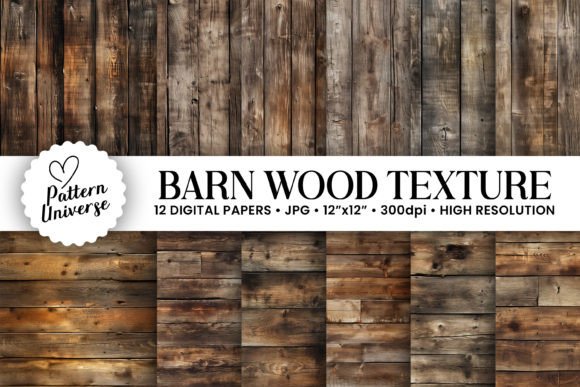
Barn Wood Texture Backgrounds: Rustic Charm for Modern Projects
There’s a reason we’re drawn to the look of aged wood. It tells a story of time, craftsmanship, and a connection to something real. In a digital world saturated with sleek, perfect surfaces, the raw, tactile beauty of a barn wood texture offers a powerful sense of warmth and authenticity. This collection of seamless patterns isn’t just about replicating an old surface; it’s about capturing that entire feeling and making it a versatile tool in your creative arsenal.
The Visual Character of Reclaimed Wood
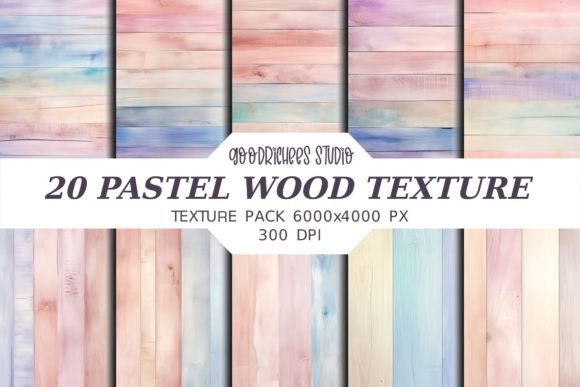
Each of the 12 patterns in this set presents a unique personality. You’ll find deep, weathered grays that speak of decades under a changing sky, rich, warm browns with the patina of old timber, and lighter, sun-bleached planks that feel airy and modern. The beauty lies in the details: the subtle grain variations, the occasional knot, the gentle cracks that don’t look damaged but rather authentic. These textures carry a sense of history and solidity, making them a perfect foundation for projects that need to feel grounded, honest, and full of character. They are a premium design asset that brings immediate depth and visual interest to any surface they touch.
Where Rustic Meets Practical Application
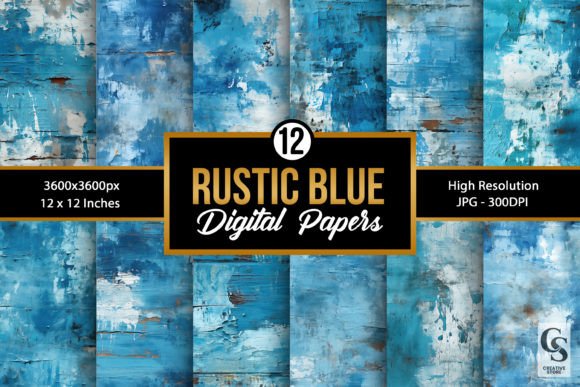
The true value of a great texture background is its adaptability. These barn wood texture backgrounds are designed to be workhorses for a wide range of creative endeavors. Their high-resolution 300dpi and 12x12 inch size make them ideal for both digital and print applications without any loss of quality.
For Physical Crafts and Products
This is where the textures truly shine. Imagine wrapping a handmade gift in paper that has the rustic, elegant feel of reclaimed wood. It instantly elevates the presentation. The same applies to:
- Greeting Cards and Invitations: Create stunning wedding invitations for a rustic or farmhouse theme, or design holiday cards that feel warm and traditional. The texture provides a rich backdrop that makes typography pop.
- Tumbler Wraps and Decals: A seamless pattern is crucial for products like custom tumblers. These designs will wrap perfectly around cylindrical surfaces, creating a professional, finished look for your small business products.
- Scrapbooking and Journaling: Add instant depth to your memory pages or bullet journal spreads. The texture acts as a perfect base layer for photos, stickers, and handwritten notes.
- Packaging Design: Use the patterns as a background for product labels, box wraps, or tags, especially for brands in the artisan food, candle, or craft beverage space. It communicates quality and handcrafted care.
For Digital and Branding Projects
In the digital realm, these textures solve the problem of flat, lifeless backgrounds. They add dimension and a human touch to screens and pages.
- Website and Blog Design: Use a subtle, lighter wood texture as a website background or a header image to break up blocks of content and create a welcoming atmosphere. It’s particularly effective for blogs about home decor, DIY, or sustainable living.
- Social Media Graphics: Stand out in a crowded feed. A textured background for your Instagram post or Facebook ad can dramatically increase engagement. It provides a visually interesting stage for your text and product photos.
- Presentation Decks and Media Kits: Move away from generic corporate templates. A well-placed wood texture can make a business presentation feel more approachable and creative, reinforcing a brand identity built on authenticity.
- Digital Products and Templates: Incorporate these patterns into digital planners, printable wall art, or social media template kits to add significant value and a cohesive aesthetic.
Making Informed Design Choices
Integrating a strong texture like this requires a thoughtful approach. Here’s how to ensure it enhances, rather than overwhelms, your project.
Evaluating Project Fit and Tone
First, consider the emotion you want to evoke. A dark, heavily textured barn wood conveys tradition, stability, and ruggedness—great for a whiskey label or a mechanic’s logo. A lighter, smoother wood grain feels more contemporary, airy, and Scandinavian—better suited for a modern lifestyle blog or a yoga studio’s branding. Always align the texture’s personality with your project’s core message.
The Art of Font Pairing and Hierarchy
Typography is your best friend when working with busy backgrounds. The key is contrast and readability. A bold, clean sans serif font often works beautifully, as its simple geometry stands out against the organic lines of the wood. For a more classic, rustic feel, a sturdy serif font can create a harmonious blend. Avoid overly delicate or complex script fonts for body text, as they can become illegible. Instead, use them sparingly for a single headline or monogram where they can be scaled up. Always test your text on the actual texture to check for clarity at different sizes.
Practical Considerations for a Professional Finish
Because this is a seamless pattern, you can tile it to cover any area, large or small, without visible seams—a critical feature for commercial applications like tumbler wraps or large-format prints. The included files are all at 300dpi, which is the standard for high-quality print production, ensuring your designs look sharp and professional on paper, not just on screen. When using these in client work or for products you sell, you are leveraging a commercial font and texture asset, which is a smart investment in your toolkit.
Ultimately, these barn wood texture backgrounds are more than just a decorative element. They are a foundational design asset that can define a project’s mood, strengthen a brand’s identity, and connect with an audience on a sensory level. By choosing the right pattern, pairing it with intentional typography, and applying it thoughtfully, you can transform a simple design into something that feels substantial, crafted, and genuinely engaging.