Dynamism in Design: Unleashing Orange Alcohol Ink Backgrounds
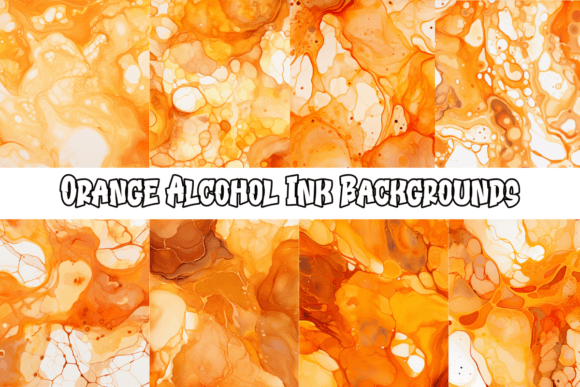
Creativity rarely thrives in static environments. If you have spent any time in the digital art or graphic design space recently, you have likely noticed a shift away from flat, minimalist solids toward textures that feel organic, fluid, and alive. This is where Orange Alcohol Ink Backgrounds enter the conversation. These assets are not just static images; they are captured moments of liquid motion. The collection represents a curated set of design assets that mimic the behavior of alcohol inks—highly pigmented solutions that interact with solvents to create unpredictable, ethereal blooms of color.
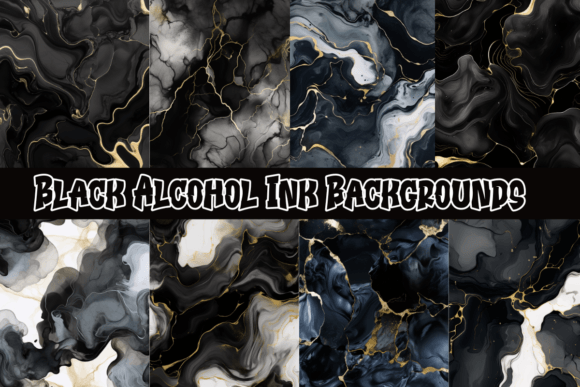
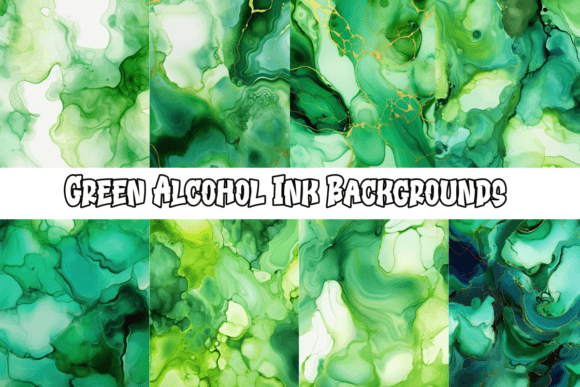
The visual language of this collection is distinct. Orange, as a primary color, carries a psychological weight of enthusiasm, warmth, and energy. However, alcohol ink renders this hue differently than a standard paint swatch. When you look at these backgrounds, you see depth. You see the way the pigment separates, creating intricate "veins" and marbled textures. The visual characteristics range from deep, burnt ambers and terracottas to electric neons and soft apricots. The "personality" of these backgrounds is bold and expressive. They possess a modern abstract quality that suggests movement and fluidity. Unlike a traditional serif font which implies history and stability, these backgrounds scream "now." They are imperfect in the best way possible, embracing the happy accidents that occur when chemistry meets art.
Practical Applications: Where Fluidity Meets Function
Understanding the visual appeal is one thing; knowing how to deploy it effectively in a professional setting is another. As a designer, marketer, or business owner, your goal is to utilize these Orange Alcohol Ink Backgrounds to capture attention without sacrificing readability or brand clarity.
Branding and Logo Design
If you are working with a brand that wants to convey innovation, health, vitality, or creativity, these backgrounds are invaluable. In logo design, you often need a textured backdrop to showcase a wordmark. Imagine a crisp, white sans serif font laid over a swirling, deep orange ink background. The contrast is immediate and striking. This works exceptionally well for lifestyle brands, boutique fitness studios, artisanal food products, or tech startups looking to humanize their image. The texture adds a tactile quality to digital assets, making the brand feel more "real" and less corporate.
Digital Marketing and Social Media
The digital landscape is noisy. On platforms like Instagram, Pinterest, or TikTok, you have milliseconds to stop a user from scrolling. Social media graphics utilizing these backgrounds benefit from the "thumb-stopping" power of high contrast and vivid color. For a marketing campaign promoting a summer sale or a fall launch, orange is the quintessential seasonal color. However, using a flat hex code (#FFA500) looks dated. Using a textured ink background adds a layer of sophistication. It allows you to create web design hero sections that feel immersive, or email headers that guide the eye naturally across the page.
Editorial and Packaging Design
In editorial design, particularly for magazines or blogs focused on art, food, or travel, these backgrounds serve as excellent "spot" backgrounds—pages or sections where you want to break the visual rhythm. They are also powerful in packaging design. A matte box with a glossy, fluid orange texture on the front can elevate a product from shelf-stable to premium. It suggests that the contents inside are as carefully crafted as the art on the outside.
The Strategic Impact on Visual Communication
Choosing a background is not merely an aesthetic decision; it is a strategic one that influences how your audience perceives your message. The use of Orange Alcohol Ink Backgrounds impacts several key areas of visual communication.
Visual Hierarchy and Readability: The primary challenge with any display background is ensuring it supports the content rather than competing with it. These ink textures are excellent because they naturally create areas of high and low contrast. You can position your typography over the "quieter" parts of the ink flow where the color is lighter or more diffused. This allows a bold headline—a strong display font or even a delicate script font—to pop. The fluidity of the background helps guide the viewer's eye toward the static text, creating a natural focal point.
Brand Perception and Psychology: Orange is a color of action. It stimulates mental activity and encourages socialization. By incorporating these backgrounds, you are subconsciously telling your audience that your brand is energetic and approachable. It moves a brand identity away from the coldness of corporate blue or the urgency of aggressive red, landing in a space of warmth and creativity. It suggests that the brand is not afraid to embrace modern typography and contemporary design trends.
Consistency and Versatility: One of the strengths of a cohesive collection of design assets is the ability to maintain consistency. While every alcohol ink painting is unique, the color palette and texture style remain consistent across the set. This allows you to create a series of social media graphics or website pages that look related without looking identical. You avoid the repetitive, "cookie-cutter" feel of using the same stock photo repeatedly.
Working with the Assets: A Designer’s Guide
To get the most out of these backgrounds, you need to treat them as active elements in your design toolkit, not just passive backdrops.
Evaluating Project Fit
Before dropping an ink texture into your canvas, consider the tone of the project. If you are designing for a funeral home or a serious financial institution, a vibrant, splashing orange ink might send the wrong message. However, for a wedding invitation suite, a soft, peach-toned alcohol ink background paired with a handwritten font can look incredibly romantic and organic. Evaluate the "energy" of the texture against the "energy" of the text.
Font Pairing and Typography
Because the backgrounds are organic and chaotic, they pair best with typefaces that offer structure.
- Sans Serif Fonts: A clean, geometric sans serif font (like Montserrat or Futura) creates a beautiful juxtaposition against the organic flow of the ink. This is the "modern classic" pairing.
- Serif Fonts: A high-contrast serif font (like Didot or Bodoni) can look incredibly chic and editorial over these textures, especially if the background is blurred slightly or treated with a dark overlay.
- Script and Handwritten Fonts: Use these sparingly. If the background is busy, a complex script font can get lost. However, if you have a large, bold header, a textured brush script can blend beautifully with the ink aesthetic.
Technical Application
When using these premium font assets—meaning the high-resolution files provided in this collection—think about blending modes. In Photoshop or Canva, try setting your text to "Multiply" (for a textured text look) or "Screen" (for a glowing effect). You can also desaturate the orange background slightly to make it more pastel, or increase the contrast to make the blacks in the ink deeper. Because these are high-quality digital assets, they hold up well to manipulation without pixelating.
Licensing and Usage
As a professional, always review the commercial font and asset licensing. Since you are likely using these for client work—whether it’s a website for a small business, a product label, or a digital ad—ensure the license covers commercial distribution. Most collections of this nature are designed for creative font and asset usage in both personal and commercial projects, but it is good practice to verify. This ensures that the brand identity you build for your client is legally sound.
Ultimately, Orange Alcohol Ink Backgrounds