Unleashing Visual Energy with Comic Book Style Backgrounds
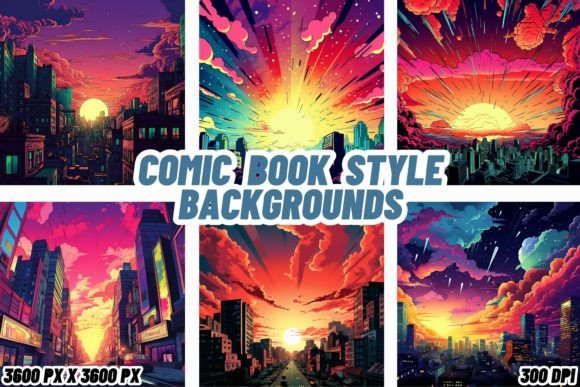
There is a specific kind of energy that only Comic Book Style Backgrounds can deliver. It’s a mix of nostalgia, action, and unapologetic boldness. For designers and creators, these aren't just random images; they are a distinct design asset that instantly communicates a narrative. Think of the classic pop art dots, the dramatic speed lines, and the speech bubble aesthetics. When you incorporate this style into your digital presence, you are borrowing the visual language of storytelling itself. It is a display style that demands attention, making it a powerful tool for anyone looking to inject personality into their work or personal space.
The Anatomy of Comic Book Aesthetics
Understanding why Comic Book Style Backgrounds work requires looking at the visual structure. Unlike subtle, minimalist textures, comic art relies on high contrast and vibrant saturation. You are often looking at halftone patterns, bold black outlines, and colors that pop off the screen. This is not about blending in; it is about standing out. In modern typography and design, we often talk about "visual hierarchy." Comic backgrounds handle this naturally by creating a focal point through their dynamism. The personality here is expressive and energetic. It suggests movement even in a static image, which is incredibly useful for social media graphics where you have milliseconds to stop a user from scrolling.
For those working in brand identity, this style speaks to a specific demographic. It resonates with audiences who appreciate creativity, gaming, tech, or pop culture. If your brand voice is playful, rebellious, or adventurous, these backgrounds act as the perfect stage. They transform a standard Zoom call into an engaging visual experience or turn a static website header into a dynamic scene.
Strategic Applications for Professionals
As a creative professional, knowing where to use these assets is just as important as selecting them. Comic Book Style Backgrounds are incredibly versatile, but they shine brightest in specific contexts.
- Content Creation and Marketing: For bloggers and marketers, a comic-style background can frame a call-to-action perfectly. It draws the eye without the need for complex logo design overlays. Use them for podcast covers, YouTube thumbnails, or promotional banners to create immediate visual interest.
- Publishing and Editorial Design: In editorial design, these images work well for feature headers or pull quotes. They break up the monotony of text-heavy pages. If you are designing a magazine or a newsletter, a comic background signals to the reader that the upcoming content is going to be lively and easy to digest.
- Digital Environments: Beyond desktops, these HD images are excellent for virtual event backgrounds. If you are hosting a webinar or a casual team meeting, a comic background sets a relaxed, approachable tone. It signals that the meeting might actually be fun.
Integrating with Typography and Design Assets
One of the challenges with using Comic Book Style Backgrounds is ensuring your text remains readable. Because the backgrounds are often busy and colorful, you need to be strategic with your font pairing.
Avoid using a script font or a delicate handwritten font directly on top of a detailed illustration. The lines will get lost in the noise. Instead, opt for a sans serif font with a heavy weight, or a serif font that has strong contrast. You might even consider placing a semi-transparent shape or a text box behind your headline to ensure legibility. This is a standard practice in web design and packaging design where background complexity can interfere with messaging.
When selecting your premium font to pair with these backgrounds, look for typefaces that have a bit of personality but remain clean. A geometric sans-serif often complements the structured chaos of comic art. The goal is to let the background provide the energy while the typography provides the clarity. This balance ensures your message is received, not just seen.
Evaluating Quality and Commercial Use
Not all design assets are created equal. When sourcing Comic Book Style Backgrounds, resolution is key. Blurry or pixelated images can cheapen a brand instantly. You want high-definition files that allow for cropping and resizing without losing quality. This is especially true for print applications or high-resolution screens.
Furthermore, consider the licensing. If you are a small business owner or entrepreneur, ensure the assets you use are cleared for commercial use. Using an image for a product mockup or a client project requires the right permissions. Treat these backgrounds like you would a commercial font—respect the intellectual property to avoid legal headaches later.
Practical Tips for Testing
Before committing a Comic Book Style Background to a major project, test it. Place your logo on it. Overlay your body copy. Check it on a mobile device, as the compression might affect how the colors render. Does it clash with your existing brand identity? Does it distract from the core message, or does it enhance it?
Sometimes, a full background is too overwhelming. In those cases, use the comic elements as accents. Maybe it’s a corner decoration or a border. The goal is to use the visual storytelling elements of comics to support your content, not overshadow it. Whether for a desktop wallpaper or a marketing campaign, the right comic background adds a layer of depth and excitement that static, flat colors simply cannot match.