Unearth Timeless Character with Old Cracked Paper Backgrounds
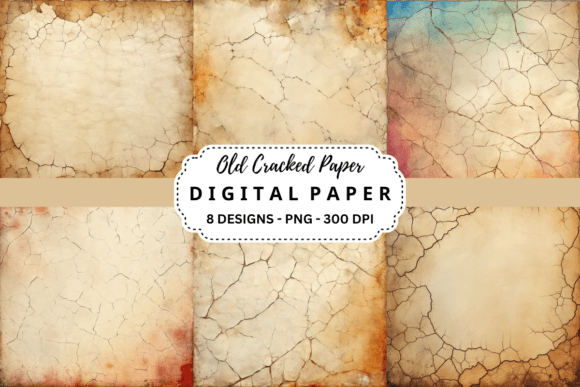
There’s a certain magic in the imperfect. While sleek, digital perfection has its place, many projects crave a touch of history, texture, and tangible authenticity. This is precisely where Old Cracked Paper Backgrounds come into play. Far from being just a simple image, this collection of eight high-quality PNG files is a toolkit for adding instant depth, narrative, and a weathered, vintage charm to any creative endeavor. Each 3600x3600 pixel image at 300 DPI is meticulously crafted to showcase the delicate network of cracks, subtle stains, and faded patina of aged paper, offering a versatile foundation for designers and creators who understand the power of a story told through texture.
The Visual Soul: More Than Just a Texture
What defines the personality of these Old Cracked Paper Backgrounds? It’s a style that speaks of time and use. Imagine the soft, uneven tones of parchment or cream-colored paper, gently discolored with age. The cracks aren’t harsh or distracting; they are fine, intricate lines that suggest a document passed through many hands, a letter kept in a drawer for decades, or a map that guided a journey. This aesthetic is inherently nostalgic, rustic, and organic. It avoids the sterile feel of a blank digital canvas, instead providing a surface with its own quiet history. This makes it an incredibly effective creative font for projects aiming to evoke feelings of warmth, tradition, craftsmanship, or even a touch of mystery. It’s a background that doesn’t just sit there—it contributes to the mood.
Where This Aesthetic Truly Shines
The utility of these backgrounds spans a remarkable range of projects, making them a valuable design asset. For social media graphics, they can transform a standard post into something with depth and scroll-stopping appeal, perfect for quotes, announcements, or artistic portfolios. In packaging design and print on demand, they lend an artisanal, handcrafted quality to labels, wrapping paper, or product tags, instantly communicating care and quality. For editorial design, such as book covers, magazine layouts, or blog headers, they provide a rich, tactile backdrop that enhances typography without overwhelming it. They are equally at home in personal projects like scrapbooking and invitation cards, where a personal, handmade feel is paramount.
Integrating Texture into Your Brand Identity
Choosing to incorporate an element like Old Cracked Paper Backgrounds is a strategic decision that influences how an audience perceives your work. This texture can significantly shape your brand perception. A brand using such a background might be seen as more authentic, grounded, and story-driven. It can enhance visual hierarchy by creating a distinct layer that makes foreground elements—like a serif font in a logo or a bold sans serif font for a headline—pop with greater clarity. The key to maintaining professionalism is intentional use. A subtle, low-opacity application can add sophistication to a web design element, while a full-bleed use makes a bold statement for a poster or banner design. Consistency across your social media post template design or marketing materials using these backgrounds can foster strong brand recognition and deeper audience engagement, as the texture becomes a familiar and trusted part of your visual language.
Practical Guidance for Seamless Implementation
Before diving in, consider the project’s context. Does the vintage, textured feel align with your message? For a cutting-edge tech startup, it might create dissonance. For a boutique coffee roaster, a historical society, or a writer, it’s a perfect match. When evaluating the fit, think about readability. The fine cracks, while beautiful, can interfere with small body text. The solution is simple: use these backgrounds for headers, hero images, or large-scale design elements where text is minimal and impactful. Pair them wisely. A classic serif font often complements the traditional feel, while a clean, modern sans serif font can create a striking and intentional contrast. Always test your font pairing directly on the background to ensure legibility.
Remember, you are receiving eight individual PNG files. This variety is a strength. One might have a warmer, yellowed tone perfect for a vintage recipe card, while another could be cooler and more subdued, ideal for a moody, atmospheric poster. Review each included style to find the perfect match for your project’s specific color palette and mood. Finally, the commercial licensing for such assets is typically straightforward, but it’s always your responsibility to review the terms to ensure they cover your intended use, whether for client work, merchandise, or personal projects. By thoughtfully applying these Old Cracked Paper Backgrounds, you move beyond mere decoration and start building layers of meaning and texture that resonate with your audience on a more human level.