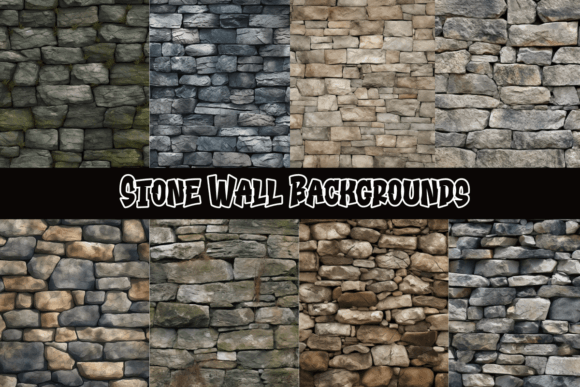
Stone Wall Backgrounds: A Timeless Foundation for Your Projects
Understanding the Enduring Appeal of Natural Texture
When you first encounter our Stone Wall Backgrounds collection, you're not just seeing images of masonry. You're feeling a connection to history, to craftsmanship, and to the raw, honest beauty of natural materials. These aren't flat, sterile digital patterns. They are rich, detailed captures of actual stone surfaces, each telling its own story through cracks, moss, weathering, and the unique character of every individual rock. The visual personality is rugged, grounded, and inherently authentic. It speaks of permanence, stability, and a quiet, unassuming strength that synthetic textures often struggle to replicate. This is the kind of texture that adds immediate depth and a tangible sense of place to any design.
The overall style leans into a classic, almost architectural aesthetic. It avoids trendy, hyper-stylized filters in favor of a more genuine representation. You'll find variations ranging from neatly stacked, uniform fieldstone to the chaotic, beautiful randomness of an ancient castle wall. Some backgrounds feature warm, sun-bleached sandstone tones, while others showcase the cool, dramatic greys of slate or the deep, earthy hues of river rock. This diversity within the collection is its greatest strength, allowing you to match the specific "personality" of the stone to the exact mood of your project.
Practical Applications: Where Stone Wall Backgrounds Truly Shine
So, where does this collection of design assets work best? The answer is surprisingly broad, spanning both digital and physical realms. For graphic designers and brand strategists, these backgrounds are a secret weapon for creating a brand identity that feels established and trustworthy. Imagine a law firm's website using a subtle, grey stone texture in the header—it immediately conveys solidity and integrity. A boutique brewery's packaging design could feature a rustic stone wall behind the label, evoking tradition and craft. The key is using the texture to support the message, not overwhelm it.
In the digital space, web design and social media graphics benefit immensely. A stone wall can serve as a powerful hero image background, grounding text and making calls-to-action pop. For content creators and bloggers, it's perfect for creating engaging Pinterest pins, YouTube thumbnails, or Instagram story backgrounds that stop the scroll with their textural interest. It adds a layer of professionalism to podcast artwork or ebook covers that a plain color gradient simply cannot achieve. The texture becomes part of the visual hierarchy, guiding the viewer's eye while setting a specific tone.
Beyond the purely commercial, these backgrounds are fantastic for personal projects and crafting. They can be printed as backdrops for model photography, used in digital scrapbooking, or even as a unique surface for DIY invitations and greeting cards. The versatility is a core part of its value as a premium font—or in this case, a premium design asset. It’s a single resource that can elevate dozens of different projects across various mediums.
Making It Work: Guidance for Your Creative Process
Choosing the right stone wall from the collection is your first practical step. Don't just pick the prettiest one. Evaluate the project fit. Ask yourself: What is the primary emotion I need to evoke? For a project about heritage or luxury, a clean, light limestone might be ideal. For something about ruggedness or adventure, a darker, more textured granite or slate could be better. Look at the color palette of your existing design elements—your logos, your brand colors, your primary typeface. The stone background should complement these, not clash. A warm sandstone can soften a stark, modern sans serif font, while a cool grey slate can add gravitas to a flowing script font.
This brings us to font pairing, a critical consideration. Stone textures have a strong visual voice, so the typography you pair with them needs to be carefully chosen to maintain readability and visual hierarchy. As a general rule, highly ornate or overly delicate fonts can get lost against a busy stone background. Instead, opt for typefaces with good contrast and clear letterforms. A bold, geometric sans serif font for headlines can create a striking, contemporary contrast against ancient stone. A clean, classic serif font for body text can echo the timeless quality of the wall itself. Always test your text directly on the background at the size it will be used. Zoom in and out. Check it on different screens if it's for web design. Ensure there's sufficient contrast for easy reading.
Finally, consider the practicalities of licensing. Our Stone Wall Backgrounds collection is provided with a commercial font license, meaning you can use these assets confidently in client work, products for sale, and commercial marketing materials. This removes a major headache from the creative process, allowing you to focus on using the texture to its full potential. Review the specific license terms included with your download to understand the scope of use.
A Final Observation on Texture and Brand Perception
In a digital world saturated with flat design and synthetic gradients, incorporating a real-world texture like a stone wall background is a strategic choice. It does more than just decorate. It influences brand perception at a subconscious level. It suggests that a brand is grounded, authentic, and built to last. It adds a layer of tactile realism that can increase audience engagement because it feels more human and less sterile. For entrepreneurs and small business owners, this can be a powerful differentiator. It’s a way to build consistency and professionalism into your visual identity from the ground up, using a creative font asset that is both versatile and deeply evocative. The right stone wall background isn't just a surface; it's the foundation of a story.