Old Paper Textures Backgrounds Dig Paper for Your Projects
There's a reason we're drawn to the look of aged parchment, vintage maps, and well-loved letters. It's a visual language of history, authenticity, and tactile warmth. In a digital world saturated with sterile perfection, incorporating Old Paper Textures Backgrounds Dig Paper into your designs is like adding a layer of soul. This collection of eight distinct digital paper backgrounds offers more than just a surface; it provides a narrative foundation for your creative work.
The Character of Authenticity
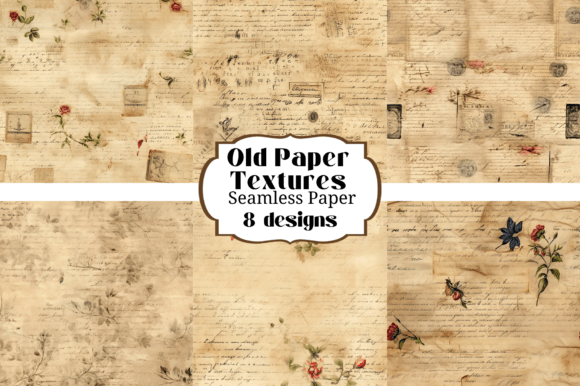
Each of the eight textures in this digital download captures a unique personality. You'll find variations ranging from subtly stained ivory with faint foxing spots to deeper, more pronounced sepia tones with visible fiber structure and gentle creases. The visual appeal lies in their imperfection. These aren't digitally generated patterns; they feel like scanned artifacts. This inherent character makes them incredibly versatile design assets. They can evoke a sense of established heritage for a brand identity, add a layer of grounded realism to packaging design, or create an intimate, handmade feel for personal projects like scrapbooking and junk journaling.
The practical value of these old paper textures is significant. As PNG files at 300 DPI, they are high-resolution assets suitable for both digital and print applications. The lack of watermarks and the ability to resize without significant quality loss mean you can adapt them to any project scale. Whether you're designing a full-page background for an editorial layout in a magazine or a small accent for a social media graphic, the integrity of the texture remains. This makes them a reliable part of any designer's or content creator's toolkit.
Where This Texture Style Truly Shines
Understanding where to deploy these backgrounds is key to maximizing their impact. Their strength lies in projects that benefit from a touch of history, warmth, or artisanal quality.
- Branding & Marketing: For businesses that want to convey tradition, craftsmanship, or a story-rich ethos—think artisanal bakeries, boutique hotels, heritage brands, or authors—using an old paper texture as a background for a logo design, menu, or brochure instantly communicates these values. It helps build a cohesive and memorable brand identity that feels rooted and genuine.
- Digital & Web Design: In web design, these textures can serve as subtle website backgrounds that add depth without overwhelming content. They are perfect for blog headers, "About Us" pages, or portfolio sites for photographers and artists seeking a classic, non-digital aesthetic. For social media graphics, they provide a compelling backdrop that stops the scroll, making text overlays and product images stand out with more character than a flat color ever could.
- Publishing & Editorial: In editorial design for books, magazines, or reports, these textures can frame chapter openers, create elegant pull quotes, or establish a thematic mood. They work exceptionally well for historical fiction, poetry collections, or lifestyle publications aiming for a curated, vintage-inspired look.
- Crafts & Personal Projects: This is where the joy of the material really comes alive. For scrapbookers and junk journalers, these digital papers are the perfect base layer. They instantly provide an aged, collected feel to memory-keeping projects. Use them as backgrounds for digital collages, as surfaces for mock-up presentations, or even for printed card-making and DIY decor.
Practical Guidance for Implementation
Simply placing a texture behind your content isn't enough. Thoughtful integration separates a good design from a great one. Here’s how to approach it.
First, consider visual hierarchy and readability. The texture is a supporting actor, not the star. If you're placing body text over it, you may need to add a semi-transparent overlay, a subtle vignette, or a light-colored shape behind the text to ensure legibility. Test your color contrasts carefully. A deep sepia texture with dark text can be a recipe for eye strain.
Second, think about font pairing. The rustic, organic nature of these textures pairs beautifully with certain typefaces. A clean, modern sans serif font can create a striking contrast, highlighting the texture's age. A classic serif font can enhance the traditional feel. A well-chosen script or handwritten font can amplify the personal, artisanal quality. The key is to choose a primary typeface for readability and let the texture provide the atmospheric backdrop. Avoid overly ornate or "vintage-style" fonts that might compete with the texture's own character.
Third, evaluate the specific texture for the job. Don't just use the first one you open. Examine the eight included options. A lighter, more uniform texture might be ideal for a professional presentation background, while a darker, more distressed one could be perfect for a dramatic book cover concept or a Halloween-themed graphic. Mute the texture's opacity if it competes too much with your focal point. Often, a texture used at 30-50% opacity provides all the warmth and interest needed without the visual noise.
Finally, remember the licensing. This is a commercial font and asset bundle, meaning you are free to use it in both personal and commercial projects. This is crucial for entrepreneurs, small business owners, and freelancers who need to ensure their design assets are legally cleared for client work, product packaging, and marketing materials.
Incorporating Old Paper Textures Backgrounds Dig Paper is about adding a layer of intentional story to your work. It’s a move away from the generic and towards the authentic. By choosing the right texture, pairing it thoughtfully, and integrating it with care, you transform a simple digital file into a powerful tool for connection and engagement.