Infuse Vibrancy: Using Rainbow Alcohol Ink Backgrounds
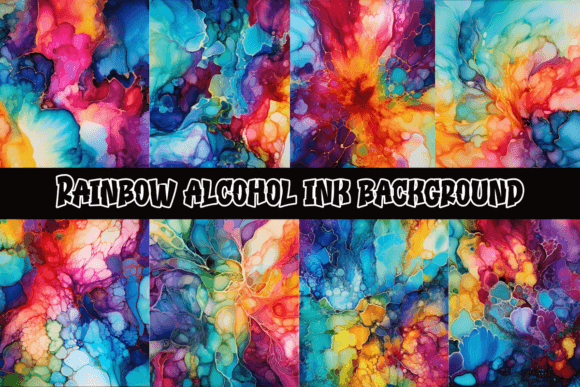
In the world of digital design, texture is often the element that elevates a project from flat and functional to truly immersive. Among the most captivating options available today is the Rainbow Alcohol Ink Background collection. These assets are not just static images; they are dynamic captures of fluid motion, chemical reactions, and brilliant color saturation. For designers, entrepreneurs, and content creators, these backgrounds offer a sophisticated solution for adding depth and energy without overwhelming the viewer. They bridge the gap between organic art and digital precision, providing a foundation that feels both modern and timeless.
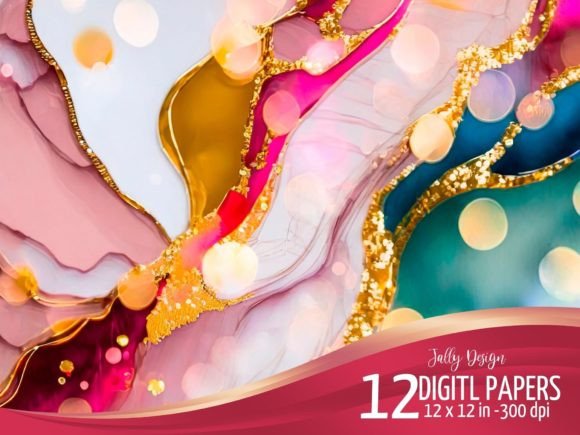
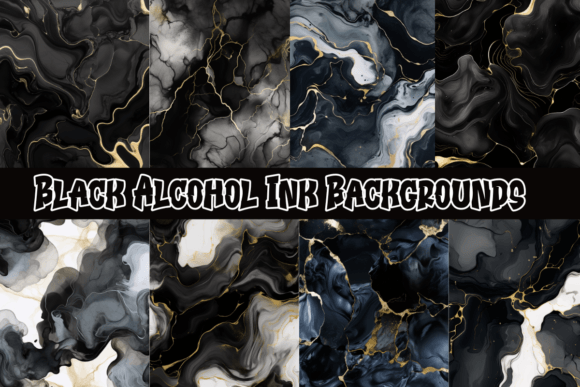
The defining characteristic of this collection is the unpredictable nature of the medium it emulates. Alcohol ink is famous for its ability to create deep, translucent layers and unique textural effects that standard digital gradients cannot replicate. When you look at a Rainbow Alcohol Ink Background, you see a complex interplay of color where pigments separate and recombine, creating edges that are sharp yet ethereal. The visual personality of these backgrounds is one of controlled chaos. They evoke feelings of creativity, fluidity, and high energy. Unlike rigid geometric patterns, the swirling nature of the ink creates a sense of movement, making the design feel "alive." This style fits perfectly within a modern aesthetic that values authenticity and artistic flair over rigid structure.
Strategic Applications for Creative Professionals
Understanding where to deploy these assets is just as important as selecting them. While they are visually stunning, their practical application varies depending on the medium. In brand identity and logo design, a Rainbow Alcohol Ink Background can serve as a powerful backdrop for a logomark, particularly for brands in the beauty, wellness, or creative industries. The vibrant colors can symbolize diversity, joy, and innovation. However, because the background is busy, it requires a strong, simple typeface—perhaps a bold sans serif font—to ensure the brand name remains legible and commanding.
For packaging design, these backgrounds offer an immediate shelf presence. The iridescent quality translates beautifully to physical products, especially those with a premium finish like spot UV or foil stamping. Imagine a product line of essential oils, art supplies, or boutique beverages wrapped in these fluid patterns; the result is a tactile, high-end feel that suggests quality ingredients or artistic value.
In the digital realm, such as web design and social media graphics, these backgrounds are excellent for capturing attention in a crowded feed. They work exceptionally well as hero sections on a website or as the backdrop for "Stories" and Reels. The key is to treat them as a texture rather than the main event. When used for podcast covers, YouTube thumbnails, or blog headers, they provide an instant creative vibe that signals to the audience that the content is dynamic and visually oriented.
Typography and Hierarchy with Vibrant Backgrounds
Integrating premium fonts with such a colorful background requires a strategic approach to visual hierarchy. The primary goal is readability. Because alcohol ink backgrounds are rich in texture and color variation, they can sometimes compete with text. To counter this, designers often use a "knockout" technique, where text is placed within a semi-transparent box or over a blurred section of the ink. This allows the colors to peek through while maintaining the contrast needed for reading.
When choosing a typeface to pair with Rainbow Alcohol Ink Backgrounds, consider the mood you wish to set. A serif font with elegant ligatures can create a luxurious, high-fashion editorial look, grounding the wildness of the ink with classical structure. Conversely, a clean modern typography style using a geometric sans serif font offers a crisp, contemporary contrast that feels professional and approachable. For projects that require a personal touch, such as wedding invitations or artisanal branding, a script font or handwritten font can be used, but only if the background is dialed back in opacity or the text is outlined with a glow or stroke to separate it from the colorful swirls.
Practical Guide to Selection and Implementation
Choosing the right background from a collection involves more than just picking your favorite color. It requires evaluating the specific needs of your project. Start by assessing the "negative space" within the ink pattern. If your design involves long blocks of text, such as in editorial design or magazine layouts, look for backgrounds where the ink has settled into corners or edges, leaving the center lighter or more uniform. This ensures that your body copy remains legible without needing heavy modification.
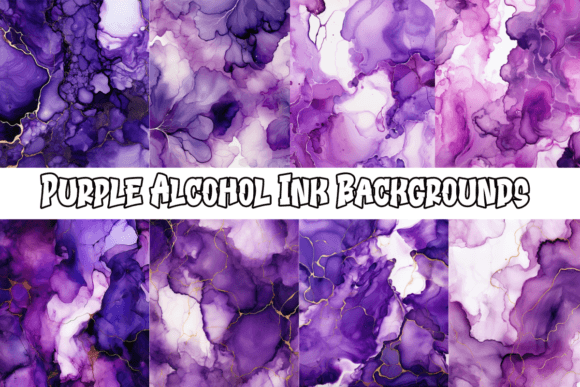
Another critical factor is color psychology. While "rainbow" implies a full spectrum, many of these design assets feature specific dominant hues—perhaps a teal-heavy swirl or a magenta-forward burst. Align these colors with the emotional tone of your brand. A marketing campaign for a tech startup might utilize a blue and purple alcohol ink background to suggest innovation and futurism, while a lifestyle blog might lean into the pinks and oranges to convey warmth and creativity.
Finally, consider the technical requirements of your deliverables. If you are working on print materials, ensure the files are high-resolution (300 DPI) and available in CMYK color profiles to avoid muddy printing. For digital use, RGB files optimized for screen display are essential. By treating these backgrounds as versatile creative fonts—assets that require thoughtful pairing and placement—you can transform a standard layout into a compelling visual narrative that resonates with your audience and enhances your brand perception.