Elevate Designs with Purple & Green Brick Tile Backgrounds
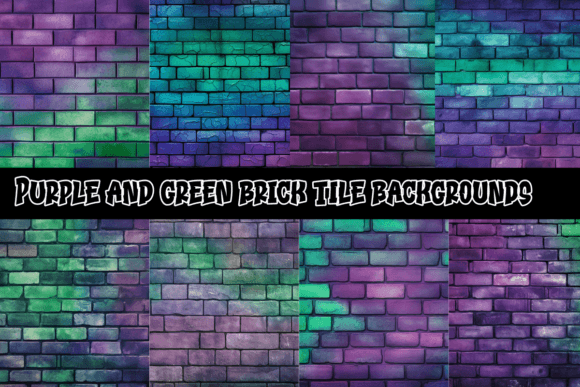
When you are building a brand identity, the texture behind your message is just as important as the words you choose. While typography often steals the spotlight—whether you are pairing a serif font with a sans serif font or selecting a premium font for a logo—the foundation of your visual hierarchy relies on the canvas you place it on. This is where the unique appeal of Purple and Green Brick Tile Backgrounds comes into play. These aren't just random patterns; they are sophisticated design assets that blend the regal depth of purple with the organic vitality of green, structured within a classic brick tile layout.
The Visual Character: Regal Meets Organic
Understanding the visual personality of these backgrounds helps you leverage them effectively. The color purple has long been associated with royalty, luxury, and creativity. It commands attention without shouting. Green, conversely, brings balance, nature, and a sense of calm. When you weave these two colors into a brick tile pattern, you create a texture that feels both structured and vibrant.
Unlike a flat color fill, the brick tile format introduces a subtle rhythm to your design. It mimics architectural masonry, giving your work a sense of solidity and permanence. This style works exceptionally well in modern typography layouts where you need a background that has character but doesn't overwhelm the content. Whether the tiles are glossy, matte, or textured, the interplay of purple and green provides a high-contrast environment that makes white or light-colored text pop with clarity.
Strategic Applications for Creators and Marketers
The versatility of Purple and Green Brick Tile Backgrounds allows them to shine across a wide variety of projects. If you are a designer working on packaging design, these backgrounds can transform a standard box into a premium product. Imagine a luxury soap or a high-end tech gadget wrapped in this texture; the purple suggests indulgence while the green hints at ingredients or sustainability.
For those involved in web design, these tiles serve as excellent hero section backgrounds or sidebar accents. They provide enough visual interest to keep a user engaged but are repetitive enough to not distract from the main editorial design or call to action. Here is how different professionals can utilize these assets:
- Logo Design & Branding: Use a cropped section of the tile as a background for a monogram or a script font logo. It adds immediate depth and sophistication to a brand mark.
- Social Media Graphics: In the fast-paced world of scrolling feeds, a textured background stops the thumb. These backgrounds are perfect for quote cards, sale announcements, or influencer posts where you want a look that feels curated and expensive.
- Digital Art & Illustration: If you are creating digital collages or surreal art, these tiles can serve as a structural element, grounding floating objects with a solid, colorful foundation.
Enhancing Readability and Visual Hierarchy
One of the biggest challenges in design assets management is ensuring that your background supports your typography rather than fighting it. A common mistake is using a busy background with a handwritten font or a detailed display font. However, the geometric regularity of the brick tile actually aids in establishing a grid.
Because the pattern is consistent, the human eye naturally follows the lines, which can help guide the viewer's gaze down the page. To ensure maximum readability when using Purple and Green Brick Tile Backgrounds, consider applying a slight overlay or a gradient mask. This darkens the center or the edges, creating a natural vignette effect. This technique allows you to place a bold headline in a clearer area while letting the texture show through the periphery. It is a simple trick that elevates the professionalism of your web design and print layouts.
Integrating with Typography and Brand Assets
Choosing the right typeface to pair with this background is crucial. Because the background is visually rich and colorful, you generally want to stick to clean, legible fonts for body copy. A geometric sans serif font often works best for headlines, offering a modern contrast to the classic texture of the brick.
However, don't be afraid to experiment with contrast. A delicate, thin serif font can look incredibly elegant against the rough texture of the tiles, creating a juxtaposition between the refined text and the industrial background. When evaluating your project fit, ask yourself: does my brand personality lean towards "modern chic" or "classic luxury"? These backgrounds can support both, depending on the typography you layer on top.
Practical Tips for Selection and Licensing
When sourcing these backgrounds, quality matters. Look for high-resolution files that won't pixelate when scaled for print media like posters or banners. A commercial font or asset license is essential if you plan to use these backgrounds in client work or products for sale. Always check the specific usage rights—some licenses cover digital use only, while others include physical merchandise.
Before finalizing your choice, test the background with your specific color palette. While the purple and green are the base, see how your brand's accent colors interact with them. You might find that a bright yellow or a soft pink complements the tiles perfectly, adding another layer of vibrancy to your social media graphics or packaging design.
Ultimately, Purple and Green Brick Tile Backgrounds are more than just a pretty pattern. They are a strategic tool for building atmosphere. By understanding their visual weight and pairing them with the right typography, you can create designs that feel cohesive, professional, and deeply engaging. Whether you are refreshing a website, designing a new logo, or creating a seasonal marketing campaign, these backgrounds offer a reliable way to inject energy and elegance into your work.